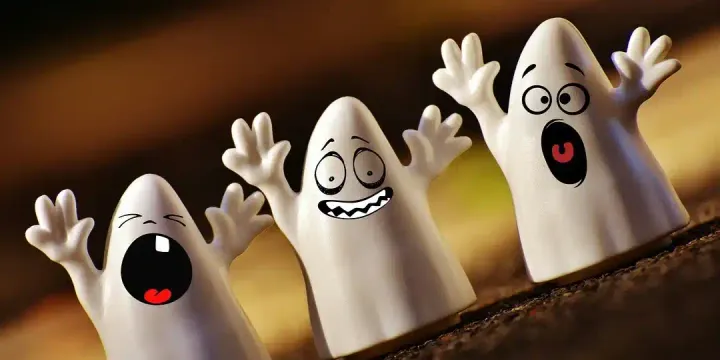
Catch a mood
Did you know you can catch a mood?
A bad mood isn’t spread by a virus like the flu is, but it can be contagious.
Moods sort of drift from person to person unconsciously. Slight, unintentional signals carry the mood.
You’ve probably experienced it yourself.
You’re around someone who’s feeling down and showing it: slumped shoulders, downcast mouth, subdued voice all that sort of thing.
Pretty soon you begin to feel depressed too. Of course, good moods are also catching, not just bad ones.
Moods spread in steps.
One person’s facial expression or whatever is observed by another, who then unconsciously begins to mimic.
The person isn’t even aware of the copying.
Not everyone picks up moods to the same degree.
Those who’re most susceptible often have strong physiological responses to what’s going on around them.
People don’t all send moods equally well either.
The best mood senders are expressive people because mood contagion can’t happen without signals.
If they aren’t there, that is, the person gives no indication of the mood they’re in, nobody will pick up the mood.
注意情绪变化
你知道自己可以注意别人的情绪变化吗?
坏情绪虽然不会像流感病毒一样肆虐,但是的确会感染其他人。
情绪会潜移默化到其他人身上。细微的、无意的信号中蕴含着情绪。
可能你有过类似感受。
在你旁边的一个人情绪很低落,然后显现出来:肩膀耷拉着,满嘴丧气话,用压抑的声音倾诉。
马上你也会觉得很压抑。当然好心情也会感染人,但力度不如坏情绪厉害。
情绪一步步四散开。
一个人的脸部表情,或其他人观察到他表情变化,然后无意识地开始模仿。
这个人甚至都不知道自己在模仿。
不是每个人都能同等程度地被情绪感染。
人们也不会把情绪同等地传递出去。
最好的情绪传递者是有丰富表达的人,因为没有信号,情绪无法感染。
如果信号不在场,也就是说该人没有表现出他们的情绪,没有人会注意到他们的情绪。