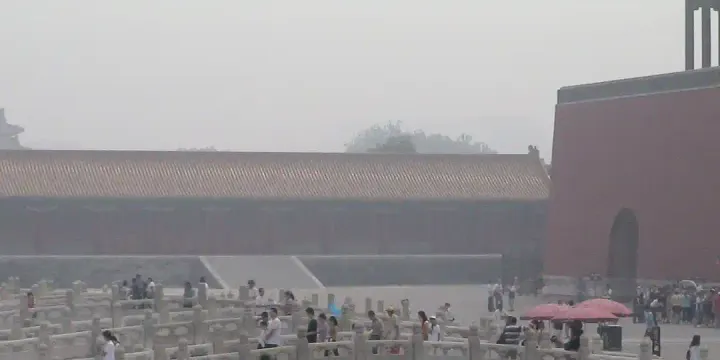
SMOG IN BEIJING
Earlier this week, a thick layer of smog rolled into China’ s capital city, turning skyscrapers into shadows and clear air into a yellow fog.
Why does smog keep blanketing Beijing? Smog in China has many causes, including pollution from industries and traffic, but it tends to happen more often in the winter, when plummeting temperatures cause electricity demand to soar, and coal-fired power plants send more tiny particles of dust into the air.
Particles smaller than 10 micrometers are of particular concern to health experts, as particles that small can damage the lungs, aggravate asthma, and even cause heart attacks.
China is taking steps to address the issue. The government has restricted driving in an effort to curb air pollution from cars. But it has a long way to go. China is still the world’ s largest consumer of coal by far, and plans to continue using the sooty source of power.
There is some cause for optimism. Like Beijing, Los Angeles also had a serious smog problem. But strict regulations implemented over the past few decades have helped reduce the amount of smog in Los Angeles, bringing back blue skies. There’ s hope that they could return to China too, though residents shouldn’t expect to breathe easy any time soon.
北京雾霾
本周早些时候,浓重的雾霾席卷中国首都,摩天大楼成为模糊一边,干净的空气成为灰黄雾。
为何雾霾持续光临北京呢?中国的雾霾成因有许多,包括工业和交通污染,但是雾霾在冬天来得更频繁。温度骤降,用电量激增,煤电厂于是把更多微小颗粒排放到空气中。
小于 10 微米的颗粒让卫生专家非常担忧。因为那么小的微粒可以伤害肺部,让哮喘恶化,甚至造成心脏病。
中国正在逐步解决这个问题。政府已经限制了路上开车,努力抑制车辆尾气排放。但是依然长路漫漫。中国依然是世界最大的煤消耗国,并计划继续使用乌黑的煤发电。
但是也有保持乐观的理由。和北京一样,洛杉矶也曾遭遇严重的雾霾问题。但是实施严格的条例,带回了蓝天。中国也有希望重建蓝天,虽然居民不应该期待短期内就可以自由呼吸新鲜空气。